Debt Strategies: Consolidation, Refinances, HELOCs
Personal Finance, Debt Consolidation, HELOC Trends
Debt Consolidation, Refinances, and HELOCs: Calm Strategies for a High-Interest World
Debt consolidation refinances and HELOCs are trending for a reason. As high-interest credit card balances climb and affordability pressure builds, many households are quietly restructuring their debt instead of giving up on their goals. This guide walks through what is happening in 2025–2026 and how to decide, calmly and clearly, whether these tools fit your personal finance plan.
Why Debt Consolidation Is Surging in 2025–2026
Consumer debt keeps climbing. By early 2026, total U.S. consumer balances reached roughly $18.19 trillion, with non-mortgage debt—credit cards, auto loans, student loans—playing a major role (Equifax, March 2026 U.S. National Consumer Credit Trends Report). At the same time, interest rates on many credit cards sit well above 20%. For households already stretched by rent, groceries, and childcare, this is a difficult mix.
This is where Debt Consolidation comes in. Instead of juggling several high-interest debts, more consumers are rolling them into a single loan or a new mortgage structure with a lower rate. TransUnion’s 2026 insights show unsecured personal loans—often used for consolidation— rising more than 20% year over year, especially among borrowers with strong credit. The trend is clear: people are not just cutting back; they are reorganizing.
Understanding Debt Consolidation Refinances
A debt consolidation refinance is simple in concept. You replace your current mortgage with a new one that is large enough to:
Pay off your existing home loan, and
Cover selected high-interest debts, such as credit cards or personal loans.
Those balances are then wrapped into your mortgage, which usually carries a lower interest rate than unsecured credit. In a period where personal loan APRs for top-tier borrowers have dipped to the 6–7% range—LightStream has advertised rates around 6.24% for excellent credit—this can be a powerful Affordability Solution compared with 20%+ card rates (ainvest.com, 2026 strategic borrowing report).
Pros of a Consolidation Refinance
Lower interest cost: Moving high-interest debt into a lower-rate mortgage can sharply reduce total interest paid over time.
Single payment: One monthly mortgage payment instead of multiple due dates and minimums.
Cash-flow relief: Extending repayment over a longer mortgage term can lower your required monthly outflow, easing affordability pressure.
Risks and Trade-Offs
You are turning unsecured debt into secured debt. Miss payments, and your home is on the line.
Stretching repayment over 20–30 years can mean paying more interest overall, even at a lower rate, if you only make the minimum required payment.
Closing costs and fees can erode the benefits if the balance you are consolidating is small.
💡 Pro Tip: If you refinance for consolidation, consider paying extra toward principal each month so you enjoy lower interest now without dragging the debt out for decades.
HELOC Trends: Using Home Equity With More Flexibility
Home Equity Lines of Credit, or HELOCs, are also having a moment. As home values have climbed in many regions, homeowners now hold more equity. Rather than sell, many are opening HELOCs to access that equity for Debt Consolidation, home improvements, or emergency buffers. Recent coverage notes that HELOCs are “making a comeback” as borrowers look for cost-effective ways to use their home equity in a higher-rate world (Forbes Advisor, HELOC trends).
A HELOC works like a revolving credit line secured by your home. You can draw from it as needed during a “draw period,” then pay it back over time. In current HELOC Trends, several themes stand out:
Rates are usually variable, so payments can move with broader interest rate changes.
Digital applications and fintech platforms have simplified approvals, making HELOCs easier to open and manage online.
Many borrowers are using HELOCs specifically to pay off High-interest Debt, then focusing on closing the HELOC quickly.
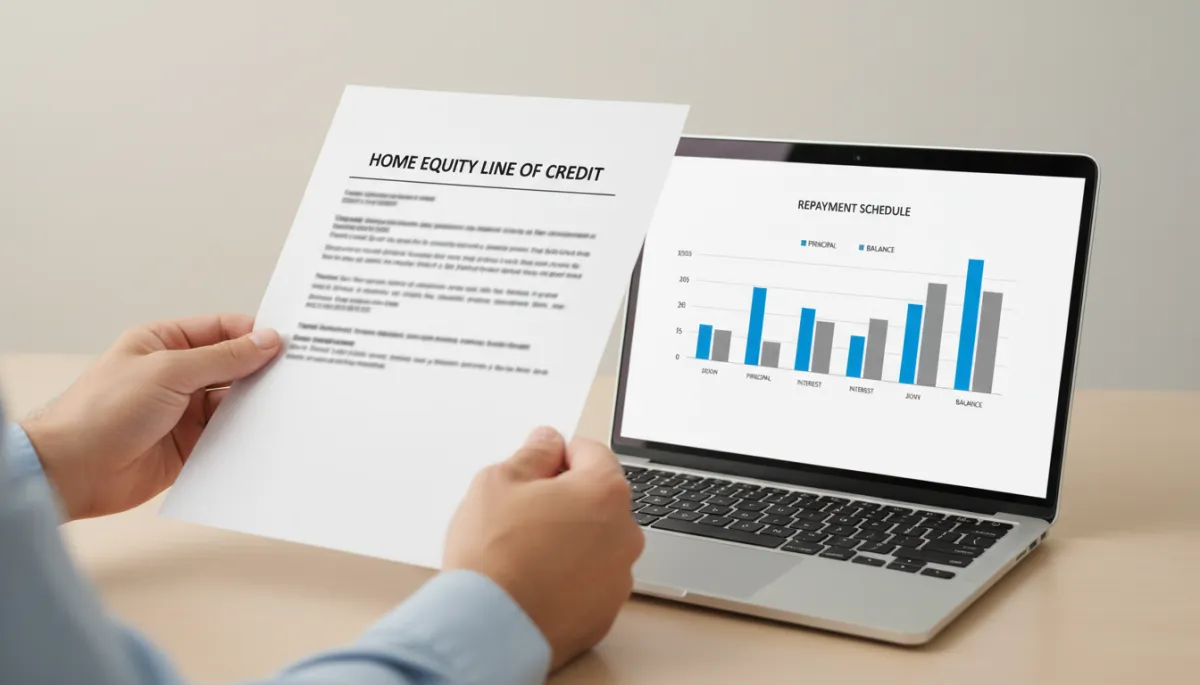
Many homeowners now tap HELOCs strategically to replace high-interest revolving debt.
When a HELOC Can Help With Affordability Pressure
If your mortgage rate is already low, a full refinance might not make sense. In that case, a HELOC can sit alongside your existing mortgage. You keep your favorable home loan, but still gain a tool to attack expensive credit card balances. Used well, this can ease monthly strain without disturbing a good primary mortgage.
The key is discipline. A HELOC should not become a new long-term credit card. Many borrowers set a simple rule: draw once to pay off specific high-interest accounts, then focus on paying down the HELOC aggressively within a set timeline, such as three to five years.
Facing High-Interest Credit Card Debt Head-On
High-interest credit card debt is at the center of many 2025–2026 mortgage and personal finance conversations. As late fees and penalty rates stack up, balances can feel immovable. But you have more options than minimum payments and stress. Beyond Mortgage Refinancing and HELOCs, consider:
Debt consolidation loans: A fixed-rate personal loan to pay off multiple cards. Lenders like SoFi, Upgrade, and Happy Money target this niche, often with lower APRs than credit cards for qualified borrowers (WalletGrower 2026 comparisons).
Balance transfer cards: 0% introductory APR offers can give you 12–21 months to pay down principal without new interest, if you can commit to a payoff plan.
Debt management plans: Nonprofit credit counseling agencies can sometimes secure reduced rates and structured payments on your behalf.
For those who cannot qualify for new credit, the expanding debt settlement industry offers another path, though it comes with credit score damage and potential tax implications. Bankruptcy remains a last resort. The right approach depends on your income stability, credit profile, and stress tolerance.
Choosing Between a Refi, HELOC, or Personal Loan
With so many Affordability Solutions in the spotlight, it helps to simplify the decision. Ask three questions:
Do I own a home with equity? If not, focus on consolidation loans, balance transfers, and budgeting strategies instead of Mortgage Refinancing or HELOCs.
Is my current mortgage rate higher or lower than today’s? If today’s rates are lower, a debt consolidation refinance could both cut your rate and simplify payments. If your existing rate is already attractive, a HELOC or personal loan may be better.
How stable is my income? Because HELOCs often have variable rates, a fixed-rate personal loan or fixed-rate refinance may feel calmer if your income is predictable but tight.
📌 Key Takeaway: The “best” choice is not the trendiest product. It is the one that lowers your total cost of debt and fits your real-life cash flow without putting your home at unnecessary risk.
Bringing It Into Your Everyday Money Conversations
In 2025–2026, mortgage and personal finance conversations are changing tone. Instead of asking only “Can I afford this house?” more people are asking, “How can I use my mortgage and home equity to fix my whole financial picture?” Lenders, advisors, and even online communities are talking openly about using Mortgage Refinancing, HELOCs, and consolidation loans to clean up messy balances and create breathing room.
You can bring that same clarity into your own life. Start with a simple, minimalist exercise:
List every debt, its balance, interest rate, and minimum payment.
Circle everything with a rate above your potential refinance, HELOC, or consolidation loan rate.
Run the numbers: what would your monthly payment and total interest look like if you moved those balances to a new structure?
Many lenders and personal finance sites offer calculators that make this comparison straightforward. A brief conversation with a trusted loan officer or financial planner can help you interpret the results without pressure.
A Minimalist Approach to Debt in a Complicated Year
The headlines about record consumer debt and rising delinquencies can feel loud. Your response does not have to be. A minimalist approach to debt in 2025–2026 means:
Fewer accounts, fewer due dates, and fewer surprise rates.
One clear plan—whether that is a debt consolidation refinance, a HELOC, or a simple avalanche repayment schedule.
Intentional use of tools that are already trending, instead of reacting to marketing or fear.
Debt consolidation refinances and HELOCs are not magic. But in a high-rate environment, they can turn scattered, expensive obligations into a calmer, more manageable structure. If you pair them with honest budgeting and a commitment not to rebuild old balances, they can be the quiet turning point in your financial story.
Take your time. Run the numbers. Ask questions. Then choose the one straightforward move that brings you closer to a simpler, more affordable version of your financial life.


